Instagram is preparing for a future where short-form video alone may no longer be enough.
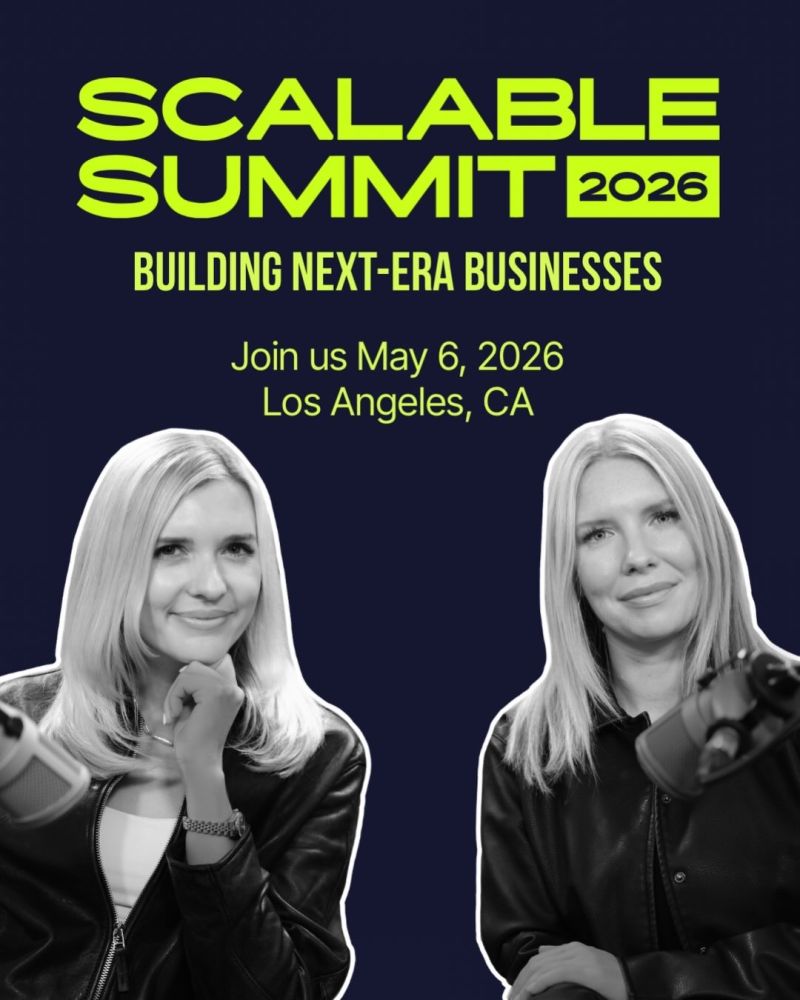
Speaking at the first Scalable Summit in Venice, California last week, Instagram VP of Product Tessa Lyons said the platform is increasingly thinking about how to support content formats better suited to connected TV viewing.
“I don’t think short-form vertical content is going to be enough to succeed on TV,” Lyons said during the event.
That is a notable shift from a platform that spent years aggressively prioritising short-form Reels in response to TikTok’s rise.
Now, Instagram appears to be thinking beyond mobile-first engagement and towards a much larger commercial opportunity: connected TV advertising.
Instagram Is Quietly Rebuilding For TV
The clearest signal may already be visible in Instagram’s product direction.
Last year, the company launched an updated Instagram TV app with a user interface that strongly resembles YouTube’s connected TV experience.
Lyons also suggested Instagram’s longer-term ambitions extend beyond short-form feeds, pointing towards podcasts, live-streams and “short-form dramas” becoming a bigger part of the platform over the next one to two years.
That is not necessarily a return to IGTV.
Instagram’s original long-form push struggled because users largely stayed inside the main app experience rather than adopting a dedicated TV viewing behaviour. The company ultimately shut IGTV down in 2022.
What has changed is the market itself.
Connected TV has become one of the most strategically important battlegrounds in digital advertising, largely because YouTube now dominates TV viewing and creator-led streaming consumption.
According to Nielsen, YouTube accounted for 12.5% of all TV viewing in January 2026, ahead of both Disney and Netflix, while maintaining the top position in Nielsen’s distributor rankings for 11 consecutive months.
YouTube has also said viewers now watch more than 1 billion hours of YouTube content on TVs every day globally.
In the UK, YouTube reportedly overtook the BBC in monthly audience reach earlier this year, underlining how deeply embedded the platform has become in mainstream viewing behaviour.
That scale has left YouTube firmly in pole position to benefit from the growing shift towards connected TV advertising budgets.
That makes the challenge for Instagram particularly difficult.
Competing on TV is not simply about launching a TV app. It requires long-session viewing behaviour, strong recommendation systems and an advertising ecosystem already optimised for larger-screen consumption.
Every platform pushing into connected TV is effectively trying to dislodge YouTube from a position it has spent more than a decade consolidating.
It also raises a broader question around format itself.
Vertical video dominates mobile-first social feeds, but connected TV viewing behaviour is fundamentally different. As platforms push deeper into TV environments, the industry may eventually see renewed interest in more traditional horizontal or TV-native formats designed for larger screens and longer viewing sessions.
That would represent a significant shift after years of platform optimisation around vertical-first consumption.
Platforms Are Prioritising Retention Over Reach
One of the clearest themes emerging from Scalable Summit was that platforms are becoming less focused on pure reach and more focused on retention and viewing quality.
TikTok’s Global Head of Creator Marketing & Community, Marisa Hammonds, argued that stronger storytelling is increasingly driving performance across platforms.
According to Hammonds, creators investing in higher-quality storytelling see 23 times more views and 70 times faster follower growth compared with lower-quality content.
The broader point is commercially important.
Short-form feeds remain highly effective for discovery, but they are weaker at driving the kind of long-session engagement that makes connected TV advertising valuable.
That helps explain why platforms are increasingly investing in:
- Serialised formats
- Live-streams
- Podcasts
- Episodic content
- TV-style viewing experiences
Those formats create stronger viewing habits, longer watch sessions and more premium advertising inventory.
Micro Dramas Point Towards Bigger Ambitions
One of the more revealing trends discussed at the summit was the rise of vertical micro dramas.
TikTok is reportedly working with Tubi to help creators develop serialised micro-drama formats for streaming audiences.
That matters because serialised formats behave very differently from short-form recommendation feeds.
They encourage repeat viewing, deeper audience habits and more TV-like consumption patterns, all of which are commercially attractive in connected TV environments.
For Instagram, expanding beyond short-form Reels may ultimately be less about competing with TikTok and more about competing with YouTube’s dominance on the big screen.
What This Means For Marketers
For marketers, Instagram’s shift towards longer-form and TV-oriented formats is ultimately about advertising economics.
Short-form video remains highly effective for reach and discovery. But connected TV environments typically command higher-value attention, longer watch times and more premium ad inventory.
That is where the bigger commercial opportunity sits.
More broadly, the direction of travel across platforms increasingly looks similar.
TikTok is investing more heavily in longer storytelling formats. YouTube continues strengthening its position in connected TV. Instagram is now signalling that short-form alone may not be enough for the next phase of platform growth.
The next major battle in social media may not be over short-form feeds.
It may be over who controls the TV screen.











RECOMMENDED FOR YOU
YouTube Hands Brands A View Windfall
Brands are in for a YouTube performance windfall from…
Brands are in for a YouTube performance windfall from…
Meta AI Feeds Expand Organic Reach
Meta is using large language models to understand content…
Meta is using large language models to understand content…
Google Expands AI Search To YouTube
Google is testing a new AI-powered search experience within…
Google is testing a new AI-powered search experience within…